



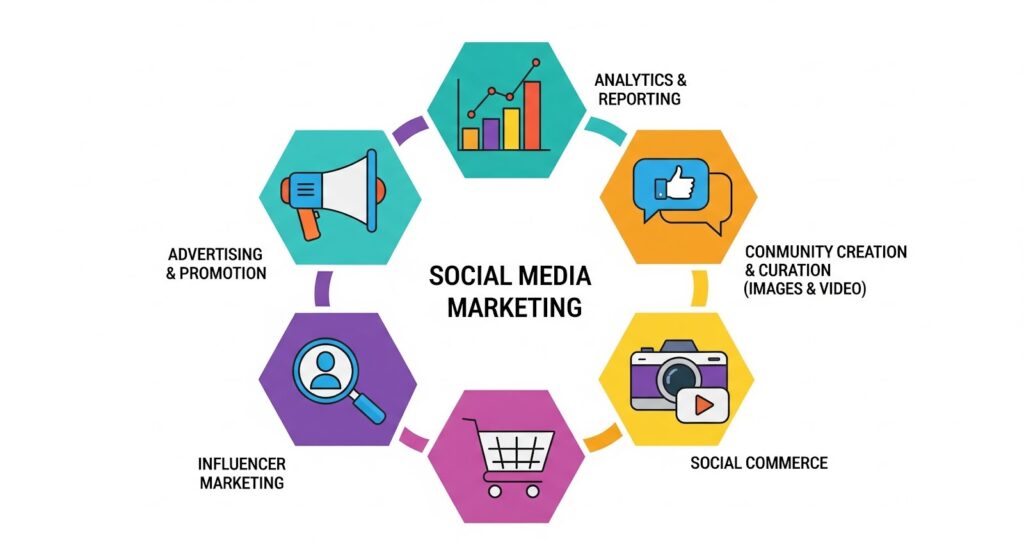
Social media is one of the biggest marketing opportunities today and should be treated with the reverence it deserves, always aligned with clients’ authentic and measurable growth goals.
91% of American small businesses use social media marketing to engage their audiences. The foundation is simple: deliver a clear, consistent message tied to a defined business outcome.
Yet 93% of SMBs say social media feels like a burden due to limited time, expertise, and resources. That gap creates an opportunity for agencies.
The problem is that many agencies position themselves as content schedulers, charging monthly retainers just to “post,” while leaving significant revenue untapped. Real impact goes beyond keeping feeds active. It requires strategy, paid amplification, optimization, and performance tracking that drive leads, sales, foot traffic, and brand authority. Social media marketing should never be about vanity metrics. It is about measurable business growth.
Also Read: How to Post on Social Media Marketing: A Guide for Local Businesses
TL;DR
The basic theory of social media marketing is that you have a clear, consistent message to deliver, and a defined business outcome you wish social media users & customers to achieve.
- Start with strategy, consistency, and community.
- Use high-impact content (video, carousels, UGC) to drive conversions.
- Add ROI drivers (paid ads, lead gen, SEO, local, commerce).
- Bundle into tiered, growth-focused packages to scale.
Option 1: Core Management & Strategy Services (The Retainer Model)
These services form your recurring revenue base: the monthly retainers that keep cash flow predictable.
Can You Offer Comprehensive Social Media Strategy Development?
If you want real results for SMBs, you must start with a comprehensive social media marketing strategy.
What does comprehensive entail?
Ideally, you are delivering a documented roadmap that defines brand voice, content pillars, audience personas, competitive positioning, and KPIs, but even a focused strategic framework puts you in the upper percentile of providers. To be truly effective, you must clarify what platforms to prioritize, what outcomes to measure, and what success looks like before a single post goes live. This is one of the most important social media marketing services.
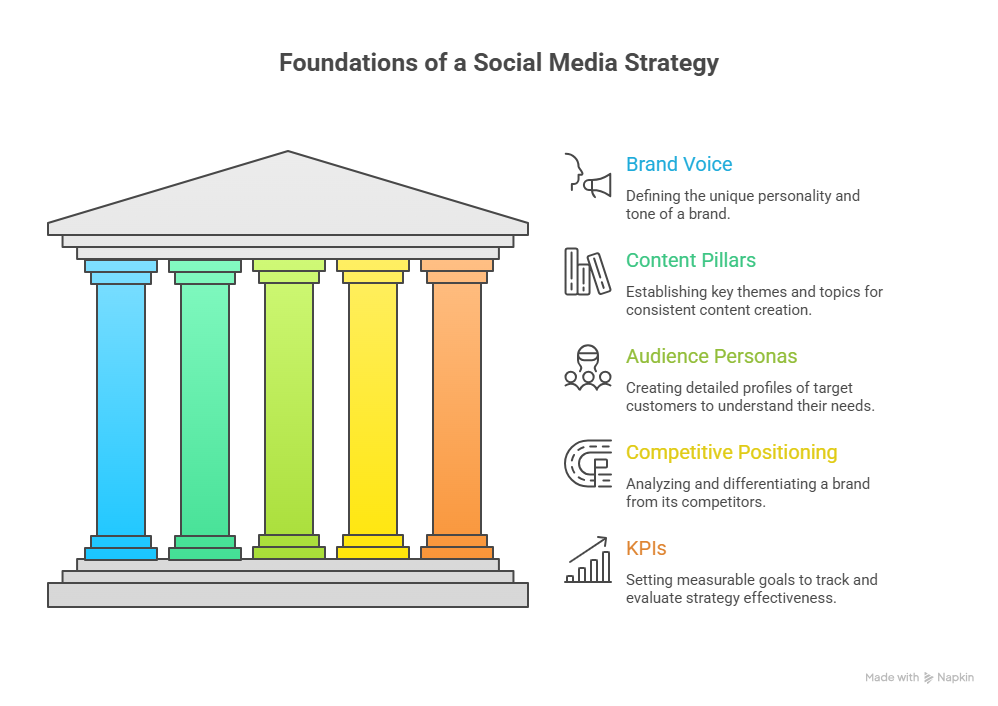
Why begin with strategy?
To build direction and accountability. It’s like creating architectural blueprints before building a house, and indicates that your social media marketing agency is recognized as a growth partner rather than a content vendor. Businesses are heavily influenced by measurable outcomes, and if they can see that each piece of content ties back to traffic, leads, or sales, they may just be that little more inclined to invest in ongoing services.
Deliverables:
- Brand voice guidelines (tone, language dos/don’ts, personality framework)
- Content pillar structure (educational, promotional, community, behind-the-scenes)
- Audience persona deep-dives (demographics, pain points, social media platform preferences)
- Competitor analysis (what’s working for competitors, white space opportunities)
- Platform strategy (which 2-3 platforms to dominate vs. spread thin across six)
- Content calendar framework
- KPI dashboards (awareness, engagement, conversion metrics)
How Do You Execute Full-Service Social Media Management for Clients?
Sometimes, a business owner will attempt to manage social media marketing themselves and quickly fall behind. They might have good intentions, but client work, operations, and sales always take priority. Or it might just be inconsistent execution: they post in bursts, then go silent.
So how do you create momentum that compounds over time? Some would suggest sporadic posting when inspiration strikes, but we don’t recommend that. Instead, we suggest you use a structured publishing engine that delivers consistent, platform-optimized content week after week.
Simply by handling research, captions, graphics, hashtags, and scheduling, you remove friction and free up the owner’s time, while allowing the brand to show up reliably in the feeds of its audience.
Some simple math:
If an SMB owner spends 8 hours a week managing social media marketing and their core service is worth $150 per hour, that’s $1,200 in opportunity cost per week. By outsourcing publishing for a fraction of that, they reclaim time while maintaining visibility: an immediate efficiency win.
Execution framework:
- Research trending topics and industry news
- Draft captions optimized for each social media platform (LinkedIn: professional, Instagram: conversational, TikTok: casual)
- Design graphics or source stock imagery
- Schedule posts using tools like Synup Social
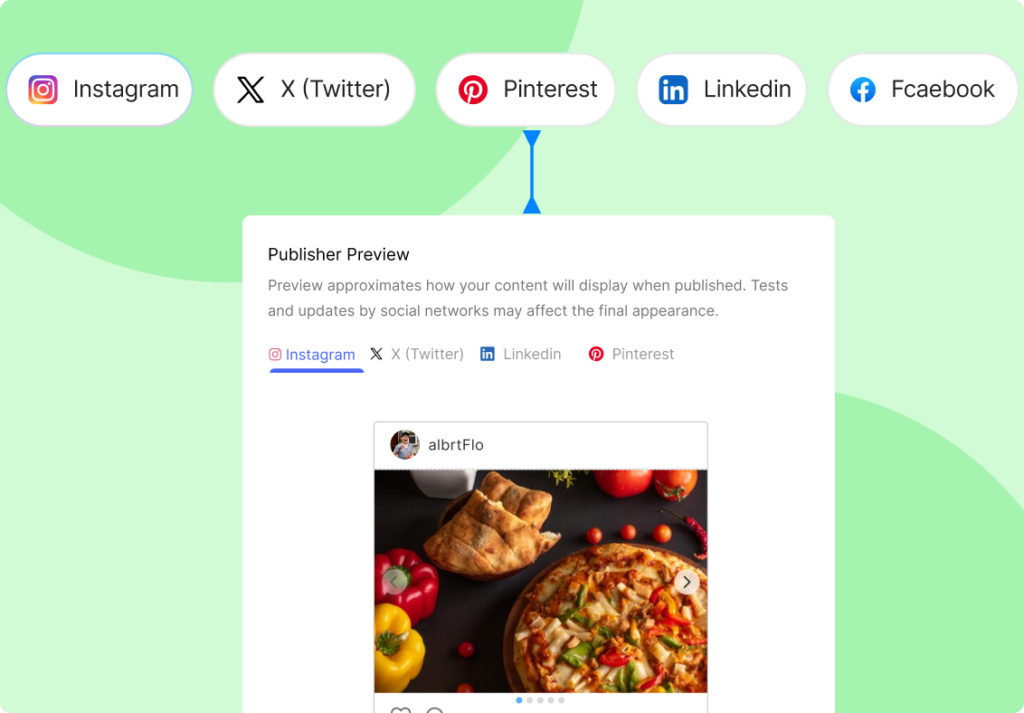
- Monitor performance and optimize based on engagement data
Agency efficiency tip: Batch content creation. Dedicate one day monthly to creating 30 posts for each client. Use templates in Canva to speed up design. Leverage AI tools like ChatGPT for caption drafting, then edit for brand voice.
What Does Proactive Community Management Entail?
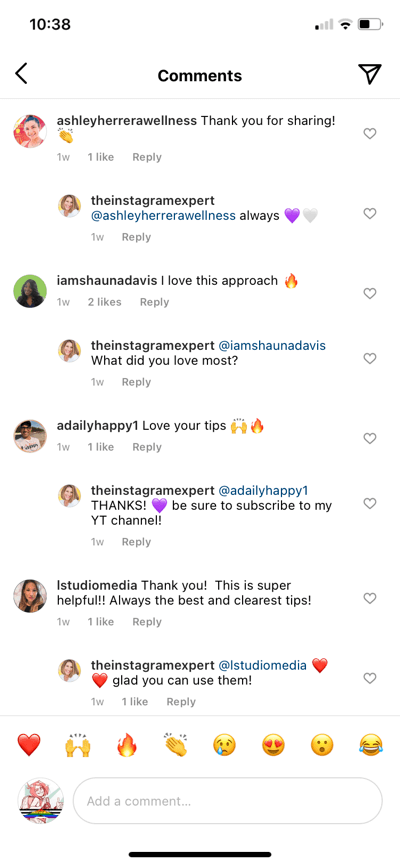
Social media was built for interaction, and it should be treated as a two-way communication channel rather than a broadcasting platform. Many businesses believe that publishing content is enough, but the real opportunity lies in what happens after the post goes live.
What does proactive community management really involve? It means responding to 100% of comments within 24 hours and replying to DMs within a few business hours, but it doesn’t stop there. It also means actively engaging with your audience. Commenting on local partners’ posts, interacting with potential customers, and participating in relevant conversations.
Social platforms reward activity, and accounts that engage consistently are more likely to maintain visibility.
Courtesy of Social Media Examiner
Option 2: Content Production Services (The Creative Engine)
This is where you differentiate on quality and creativity, and produce assets SMBs can’t create in-house.
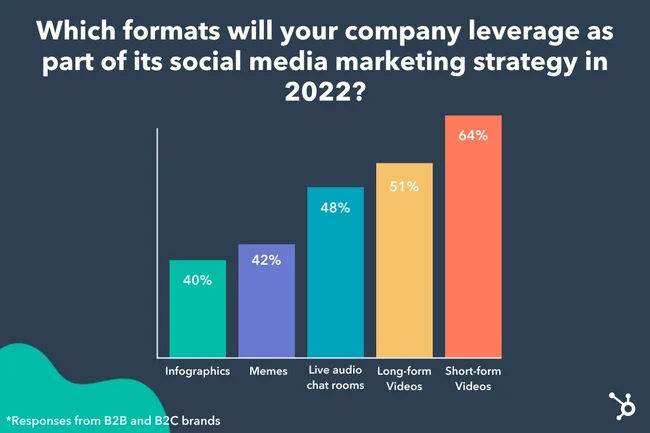
Why Is Short-Form Video Production (Reels/TikTok) the Most In-Demand Service?
Social media traditionally relied on static imagery and promotional blurbs. As short-form video becomes more popular, audiences are becoming accustomed to dynamic, bite-sized, real-time storytelling.
Try incorporating short-form vertical video into your service mix to give your campaigns a fresh, engaging feel. By including high-performing formats such as Reels, TikToks, or Shorts, you increase the chance that a viewer will stop scrolling and spend more time with the brand.
It stands to reason that if someone is shown your message for a longer period, they are more likely to remember and act on it.
Courtesy of Innovation Visual
Execution:
- Option 1: Client sends raw footage (iPhone videos of their workspace, products, team). You handle editing, captions, music, and transitions.
- Option 2: You use stock footage, B-roll, and voiceovers to create branded educational content.
- Option 3: Hire local videographers for video marketing on Upwork/Fiverr for on-location shoots ($200-$500/day), then edit remotely.
How Can You Offer “Social Graphic Design” Packages?
What is this service? Creating branded carousels, infographics, quote cards, and educational graphics designed to build authority while driving engagement.
Why do SMBs need it? Because multi-slide carousel posts consistently outperform single-image posts on platforms like LinkedIn and Instagram. Each swipe signals engagement. Each slide extends the time spent. And algorithms reward that behavior.
Service scope:
- 4–6 branded carousel posts per month (8–10 slides each)
- Data-driven infographics visualizing industry insights
- Testimonial quote graphics to reinforce social proof
- Announcement graphics (new launches, sales, events)
Tools to speed production: Canva Pro, Adobe Express, Figma (all offer template libraries that drastically reduce production time)
Pro tip: Create reusable templates for each client. First graphic takes 30 minutes; subsequent ones take 10 minutes because you’re just swapping text and images in the template.
Also Read: How to Repurpose Blog Content for Social Media
What Is “User-Generated Content” (UGC) Coordination?
Here’s where things get interesting. Instead of your agency producing everything, you orchestrate others to produce it.
You identify creators or real customers to create authentic brand content. You manage outreach, negotiation, briefing, content approval, and usage rights. You basically become the connector.
This is powerful because authenticity converts.
Consumers consistently say authenticity is one of the most important factors in choosing which brands to support. And user generated content created by real people often outperforms polished brand content in both engagement and conversions. It feels real.
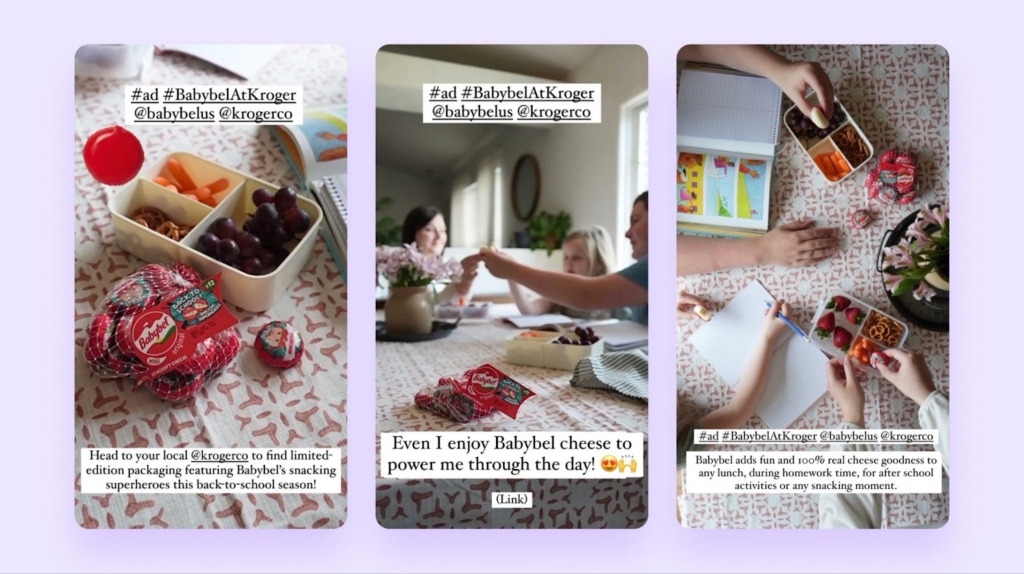
Image courtesy of Popular Pays
How it works:
- Identify 3–5 micro-creators aligned with the client’s audience
- Negotiate compensation (free product, $100–$500 per post, or affiliate commissions)
- Provide structured briefs (tone, key messages, hashtags)
- Review content before it goes live
- Secure usage rights so the brand can repurpose across ads, website, and email
Read More: A Digital Marketing Agency’s Guide to User-Generated Content
Option 3: Growth & Social Media Advertising (The ROI Drivers)
Now we move from engagement to revenue. These services are the easiest to justify premium pricing because they connect directly to leads and sales.
How Do You Manage Paid Social Advertising (Facebook Ads/Instagram Ads)?
It’s becoming increasingly common for organic reach to decline across major platforms. By opening the door to social media ads, you increase the visibility of your content and give campaigns the scale they require to produce measurable ROI.
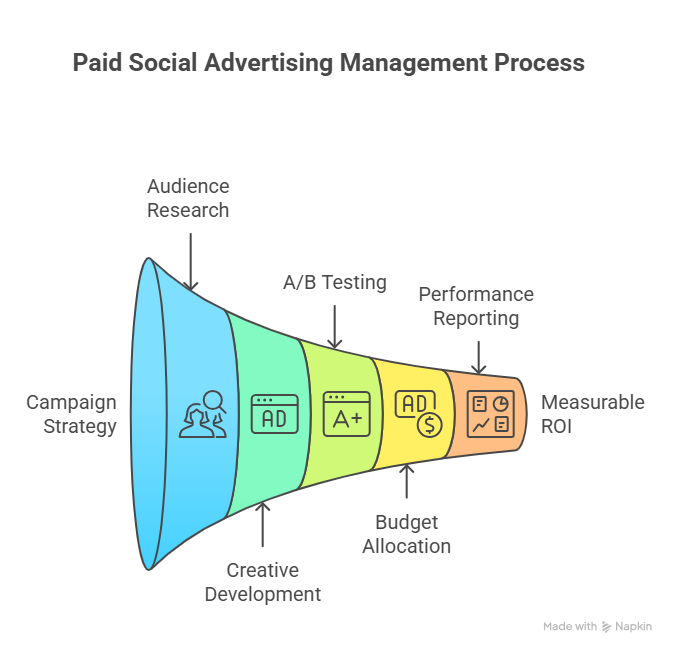
This service includes setting up, monitoring, and optimizing ad campaigns for leads, sales, or foot traffic on different social media platforms. You’ll be handling audience targeting, creative testing, budget allocation, and performance reporting.
Service scope:
- Campaign strategy (awareness, consideration, conversion objectives)
- Audience research and targeting
- Ad creative development (static, video, carousel formats)
- A/B testing (creative, copy, audience segments)
- Budget allocation and bid optimization
- Weekly performance reporting
- Monthly strategy calls
Common pricing models include $1,000/month + 15–20% of ad spend or flat retainer ($2,500–$5,000/month) with ad spend handled separately.
When you tie your service to measurable ROI, pricing conversations become easier. This is because you begin positioning yourself as an investment.
What Is “LinkedIn Lead Gen” for B2B Clients?
The service involves optimizing founders’ personal profiles, creating authority-building content, and running outbound connection/DM campaigns (social selling). You transform their profile into a conversion asset.
Target clients: B2B SMBs (consultants, SaaS companies, wholesale distributors, professional services firms)
How to execute:
- Profile optimization (headline, summary, featured sections)
- Weekly authority-building posts on the founder’s account
- Targeted connection outreach to ideal customers
- Personalized DM follow-up sequences
- Strategic engagement on prospect content
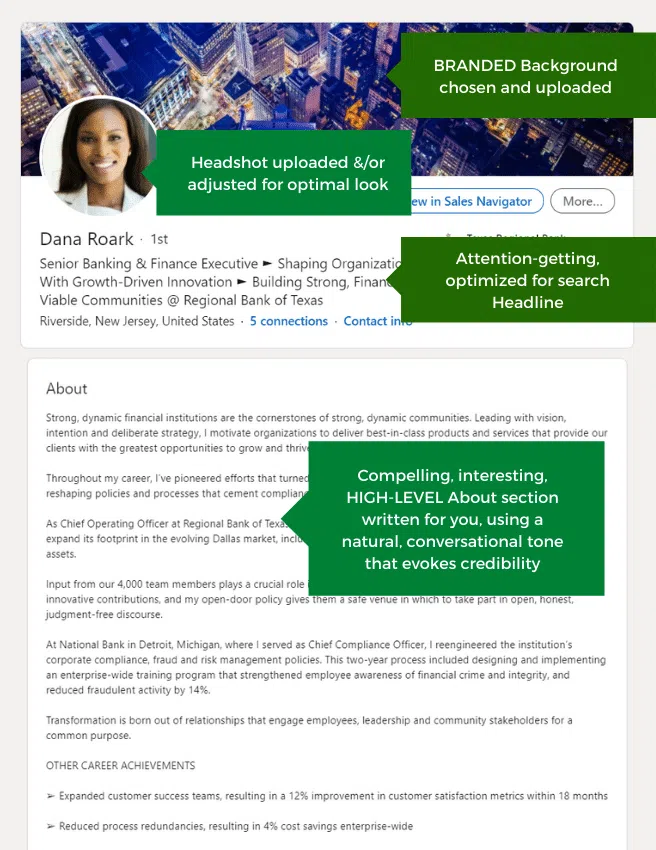
Image courtesy of LinkedIn-Makeover
Can You Run “Contests & Giveaways” as a Service?
Sometimes clients want momentum fast. This is where growth campaigns shine.
What’s the concept? A structured, time-bound viral campaign designed to rapidly increase followers, email subscribers, or foot traffic. But done strategically.
SMBs love this because the results are visible. A well-executed giveaway can generate hundreds, or even thousands, of new followers within days. You can also make this a part of influencer marketing strategy. The key is ensuring entrants align with the client’s ideal customer profile, not just freebie hunters.
Deliverables include:
- Campaign concept and prize strategy
- Entry mechanics designed for maximum sharing
- Official rules and compliance documentation
- Landing page for data capture
- Paid ads to amplify reach
- Influencer marketing collaborations
- Winner selection and fulfillment coordination
- Post-campaign analytics report
A simple optimization: Require entrants to follow, tag 2 friends, and share to stories. This triple-action mechanic maximizes viral spread.
Also Read: How to Partner with Other Social-Media Marketing Campaigns
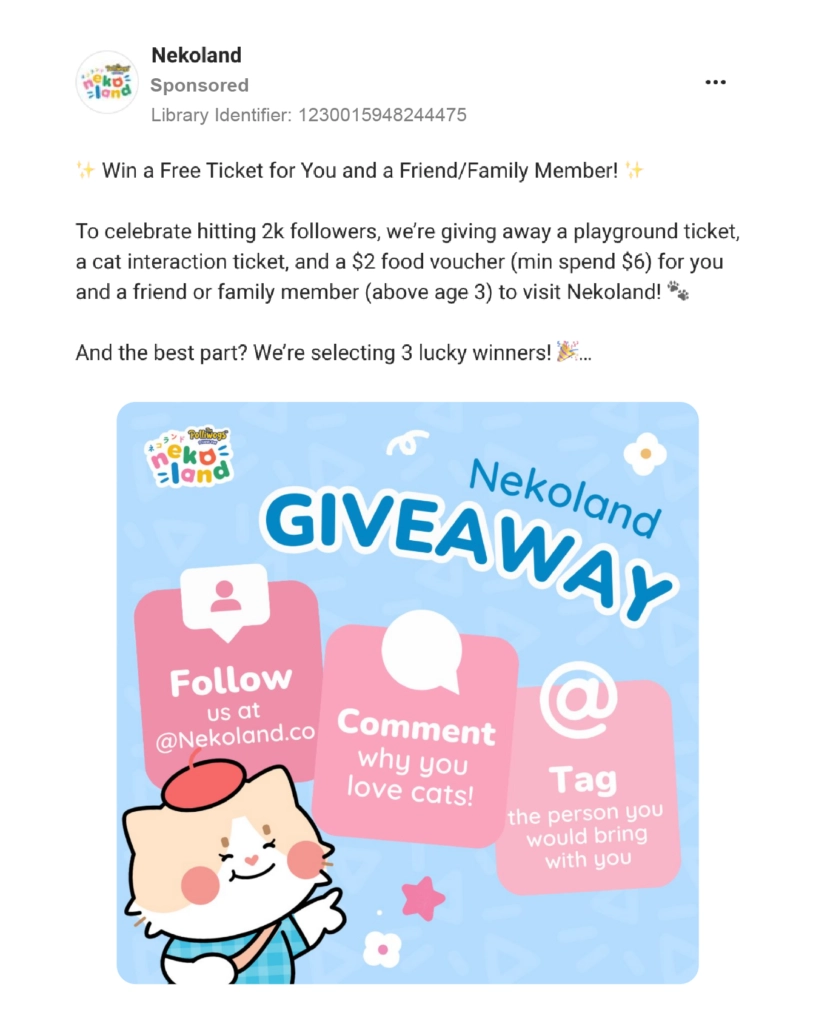
Image courtesy of Wishpond

https://www.instagram.com/reel/DUFDOZzjB0H/
Option 4: Specialized & Niche Services (High-Ticket Add-Ons)
These services command premium pricing because they require specialized expertise.
What Is “Social SEO” and Why Is It Crucial?
Gen Z doesn’t always start on Google. They increasingly use TikTok and Instagram as search engines. Search “best coffee shop in Austin” inside TikTok, and you’ll often get more authentic, experience-based results than Google. If your clients aren’t optimized for in-app search, they’re invisible to an entire generation of buyers.
So what is “Social SEO”? It’s optimizing profiles, captions, hashtags, and on-screen video text with intentional keywords so brands rank for queries like “best realtor in Miami” or “Austin sourdough bakery.”
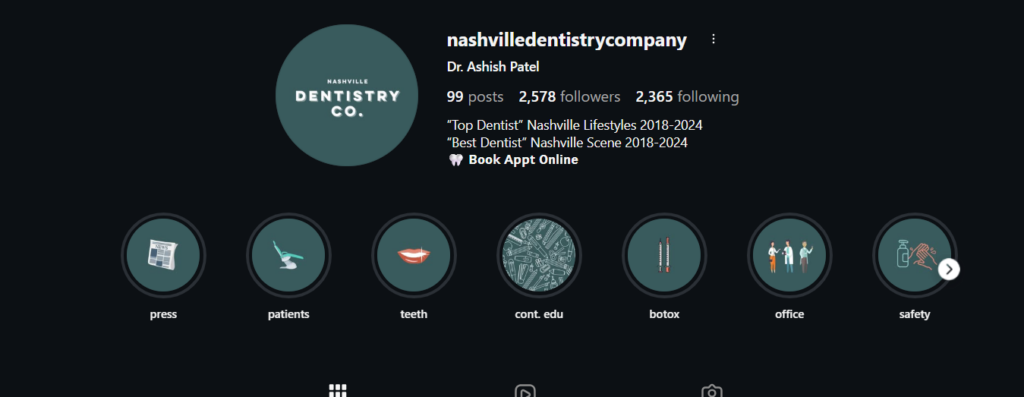
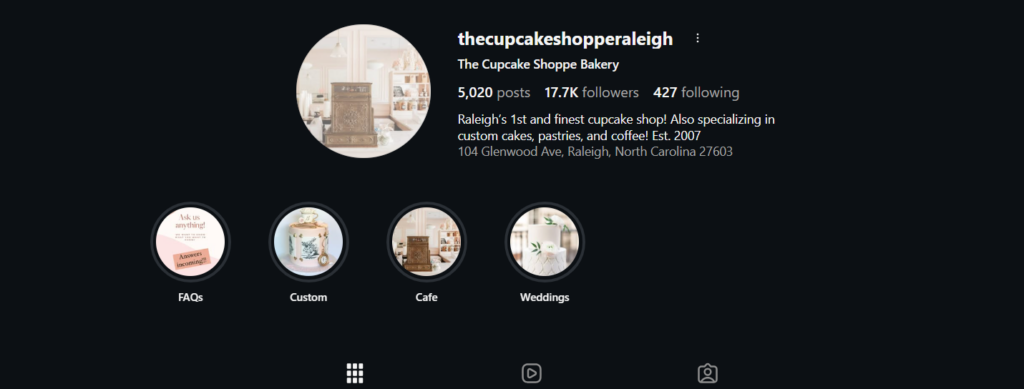
Optimization tactics for this include:
- Keyword-rich profile names (e.g., “Maria’s Bakery | Best Sourdough in Austin”)
- Bios with searchable terms and location signals
- Long-tail keywords naturally integrated into captions
- Strategic hashtag layering (branded + local + niche + trending)
- On-screen video text that mirrors search intent
How should you position this? Not as “better captions.” But as search visibility.
You’re helping clients capture traffic that never even touches Google. That’s a powerful conversation.
Also Read: Get Your Social Media Posts Indexed by Google
How Can You Manage “Local Social” (Google Business Profile + Local Listings)?
Most agencies treat Google Business Profile like a directory listing. That’s a mistake.
GBP behaves like social media channels. And nearly 1/2 of all Google searches have local intent, which favors active GBP profiles.
Managing a client’s GBP with ongoing posts, photos, updates, offers, events, Q&A responses, and review engagement is therefore a huge appeal.
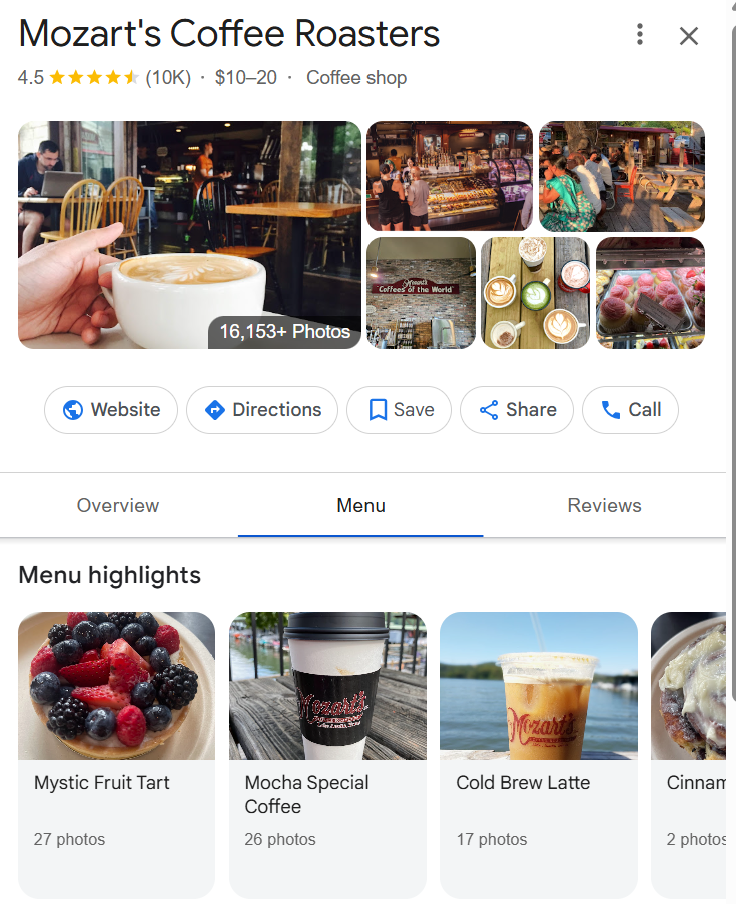
Service Scope:
- Weekly GBP posts (updates, offers, seasonal promos)
- Photo uploads (team, workspace, products)
- Q&A monitoring and responses
- Review response management (critical for local SEO signals)
- Local directory oversight (Yelp, Apple Maps, Bing Places)
Execution can be streamlined using platforms like Synup Social that sync content across social and GBP, ensuring consistent messaging without manual duplication. You eliminate friction and centralize control.
What Is “Social Customer Care” & Reputation Management?
Here’s a scenario: A customer posts a complaint. It gets traction. No one responds for 24 hours. By the time the business sees it, screenshots are circulating.
One viral complaint can severely damage a local brand. And the majority of consumers factor online reviews into purchasing decisions.
This creates the demand for active monitoring of brand mentions (tagged and untagged) across social platforms, with rapid response protocols and escalation systems.
Execution framework:
- Set up monitoring alerts for brand name, owner name, and product names
- Track misspellings and common variations
- Respond to negative sentiment within 1–2 hours
- Escalate serious issues immediately to the client
- Document recurring complaints to inform business improvements
Tools like Synup help monitor mentions and reviews in one dashboard.
Can You Set Up “Social Commerce” (Instagram/TikTok Shops)?
Scrolling used to end with curiosity. Now it ends with checkout.
Social commerce is accelerating rapidly. And the frictionless buying experience (purchasing without leaving the app) dramatically improves conversion rates.
So what are you offering? Technical setup of shoppable catalogs, product tagging, and integration with Shopify/WooCommerce so that social media users can purchase directly from social posts.
Target clients: Retail and e-commerce SMBs.
Deliverables:
- Catalog configuration inside Meta Commerce Manager or TikTok Shop
- Product tagging within posts and Stories
- Shoppable ad campaign creation
- Checkout flow testing and optimization
- Ongoing performance tracking (CTR, add-to-cart rate, conversion rate)


Option 5: Audits & Consulting (The “Foot-in-the-Door” Services)
These low-commitment services get prospects to say “yes,” proving your expertise before they commit to retainers.
How to Sell a “Social Media Audit & Cleanup”?
Think of this as diagnosis. Before “treatment” comes assessment. And that’s what you sell.
The service: A comprehensive, one-time review of the client’s current social presence with actionable recommendations.
Deliverables may include:
- A “Social Health Score” (0–100 rating across core factors)
- Competitor benchmarking (engagement rates, follower growth, content quality)
- Profile optimization checklist (bio, links, visuals, positioning)
- Content performance audit (what’s working, what’s underperforming, gaps)
- Quick wins list (5–7 improvements implementable immediately)
- 90-day strategic action roadmap
Why is this powerful? Because once clients see the depth of issues (and opportunities) uncovered, many convert to ongoing retainers.
Position it clearly: The audit is the diagnosis. Your retainer is the treatment plan.
What Is “Social Media Training” for Internal Teams?
This one is simple but interesting. Some SMBs want to manage social in-house but lack expertise.
So what do you do? Paid workshops (live or recorded) or comprehensive playbooks teaching their team how to film, edit, write captions, and schedule social media content.
Formats you can offer:
- Live virtual workshop (2–3 hours): $1,500–$3,000
- Recorded self-paced course with templates: $500–$1,500
- Custom 30–50 page branded playbook tailored to their industry: $2,000–$5,000
You teach them:
- How to film better social media content
- How to edit short-form video
- How to write high-performing captions
- How to schedule and analyze results
And here’s the smart add-on: Offer ongoing “office hours.” (monthly Q&A calls for $500/month over 2–3 months). Even DIY clients can become recurring revenue. Because when they hit roadblocks, they’ll come back to the expert.
How to Package and Price These Services for SMBs: Best Practices
With the service mix defined, the next step is to structure it in a way that is both scalable for you and clear to SMB clients.
The Tiered Model (Most Popular)
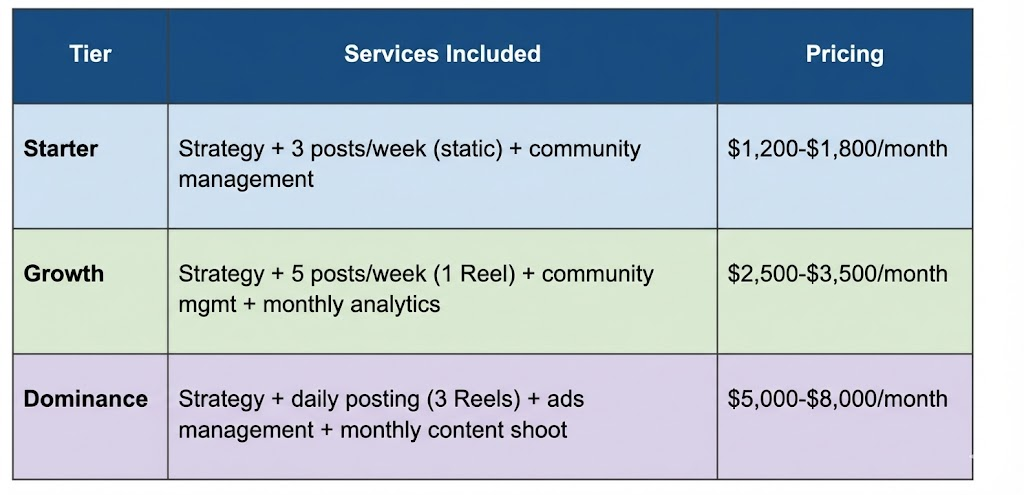
The “Add-On” Menu (Increase Average Order Value)
Offer specialized services as line items:
- Social SEO optimization: +$500/month
- LinkedIn lead gen: +$2,000/month
- GBP/local social management: +$600/month
- UGC creator coordination: +$1,500/month
- Monthly video shoot: +$1,200/one-time
Also Read: How Agencies Find High-Paying Clients for Social Media Marketing
Final Thoughts
The fast growth of the social media marketing services market is not being fueled by agencies offering “3 posts a week.” It’s being captured by agencies that tie social media directly to revenue.
Agencies pushing past $100K months offer 10–15 services bundled into tiered packages that create natural upgrade paths.
So what do you do next?
Here’s a simple action plan:
- Audit your current service menu: where are the gaps?
- Add 2-3 high-value services in the next 90 days (start with short-form video + paid ads)
- Build tiered packages that bundle complementary services
- Create an “add-on menu” to increase average order value
- Position yourself as a growth partner who drives revenue, not just engagement
The demand is already there. SMBs desperately need social media expertise. They’re just waiting for a social media marketing agency to offer the full solution.
Give them the full meal. Scale to $50K months and beyond.
Also Read: How to Create a Marketing Agency Rate Card
FAQs
- What social media services do SMBs need most?
If you strip it down to fundamentals, SMBs prioritize three core categories:
- Content creation and publishing
- Paid advertising management
- Community management
Start here. Once you’ve proven ROI, expand into higher-margin services like short-form video production, Social SEO, UGC coordination, LinkedIn lead generation, and social commerce.
- Which social platforms should SMBs prioritize in 2026?
Platform priority depends on the industry. B2C businesses should focus on Facebook, Instagram, and TikTok. B2B companies prioritize LinkedIn, Facebook, and YouTube. Most SMBs should dominate 2-3 platforms.
Read More: 13 White Label Social Media Management Software for Agencies