Google Business Profile Eligibility Criteria for Kiosks, Cloud Kitchens, & Other Special Types of Businesses
If you manage local listings for more than “a handful of clients,” you’ve already seen how confusing Google gets once a business isn’t a “normal shop.”
At first, you probably thought it was as simple as “just claim a Google Business Profile.” But here you are, stuck, trying to know why Google is telling you a profile is “not eligible to display on Google per our quality guidelines.”
Or maybe the system is asking for more proof: signage, photos, hours, and sometimes a location that exists in the real world when all your client offers is a virtual business.
This guide lays out which special business types qualify for GBP, which ones don’t, and what you should check before submitting anything.
**TLDR: Essential GBP Eligibility Rules for Complex Locations**
- Eligibility requires the business to facilitate in-person customer contact at a fixed location OR be a Service Area Business (SAB) that travels to the customer. Online-only entities are ineligible.
- Special Business Types (Risk Areas):
- Defined by a lack of permanent staff, reliance on shared infrastructure (e.g., cloud kitchens), or a temporal/transient presence (e.g., food trucks).
- Misrepresenting these types is the leading cause of multi-location profile suspension.
- Kiosks and ATMs:
- Eligible only as a fixed, functional point of contact for the parent business.
- Crucial Rule: Must clearly display a verifiable phone number for customer assistance on the physical unit to satisfy the “point of contact” rule.
- Staffed kiosks require separate, permanent signage and distinct staffing.
- Cloud Kitchens & Virtual Food Businesses:
- This is a high-spam-risk area; Google requires strict adherence to one of two models:
- Delivery-Only: Must be set up as a Service Area Business (SAB).
- Pickup Option: Eligible only if the brand proves a distinct identity via permanent, clearly visible signage, unique branded packaging, and a dedicated in-person pickup area.
- This is a high-spam-risk area; Google requires strict adherence to one of two models:
- Home-Based Businesses:
- Eligible only if they meet the SAB criteria (business travels to the customer, like a mobile mechanic).
**What are Special Business Types?**
“Special business types” fall outside simple brick-and-mortar business categories and don’t fit the neat model of a permanently staffed, walk-in storefront.
In Google Business Profile (GBP), there are no formal “Special Business Types” as a separate classification system. Instead, Google uses an extensive list of business categories (over 3,500) and attributes that unlock special, category-specific features designed to enhance the profile’s functionality for certain industries.
These can include the dentist’s office, the Main Street boutique, or the reliable HVAC guy who always comes to the house.
They’re the high-volume, low-margin, compliance-risky spots that demand maximum operational efficiency if you want to make money.
These complicated clients usually share three core characteristics that should immediately raise a compliance red flag:
- Lack of a permanent public face: The business doesn’t have people waiting to greet customers during set hours. Think of the parcel drop boxes outside a grocery store or a bank of ATMs. The traditional “staffing” rule is replaced by a fiddly “interaction point” requirement that you have to prove. Plus, without a staff member, any incorrect information is much harder to correct in real time.
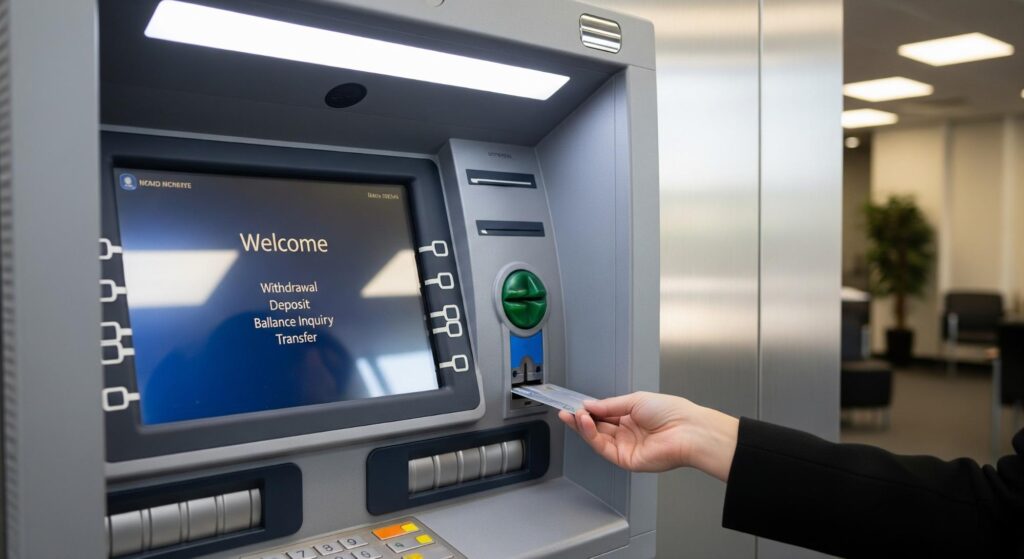
- Reliance on shared infrastructure: We’re talking about multiple, independent businesses sharing one single physical address here. The most infamous is the cloud kitchen, where one warehouse address houses ten or twenty different restaurant brands. In addition, this also includes executive suite addresses where multiple consulting firms try to list their business profiles.
- Temporal or transient presence: The business is operational only for a short season or moves frequently. A good example is that annual Christmas tree lot that opens for four weeks or a food truck that rotates spots daily. The “permanence” test is the crucial challenge here; Google needs proof it’s a fixed place of business.
From an agency perspective, misrepresenting a shared kitchen as a regular storefront or listing a virtual mailbox as a physical storefront is the leading cause of multi-location business profile suspension.
If you manage 100-500 listings and just 5% of them are these complex setups, that means 5-25 locations are compliance ticking time bombs. For this multi-location GBP management, you definitely need a Google Business Profile management tool. It’s half the problem solved.
**How to Find Out If a Business Is Eligible for a Google Business Profile**
Simply ensure the following:
- it has a physical location or serves customers at their location (service area business (SAB),
- keeps permanent signage (if applicable),
- and makes in-person contact during the stated hours, while avoiding prohibited content such as online-only or PO Box addresses.
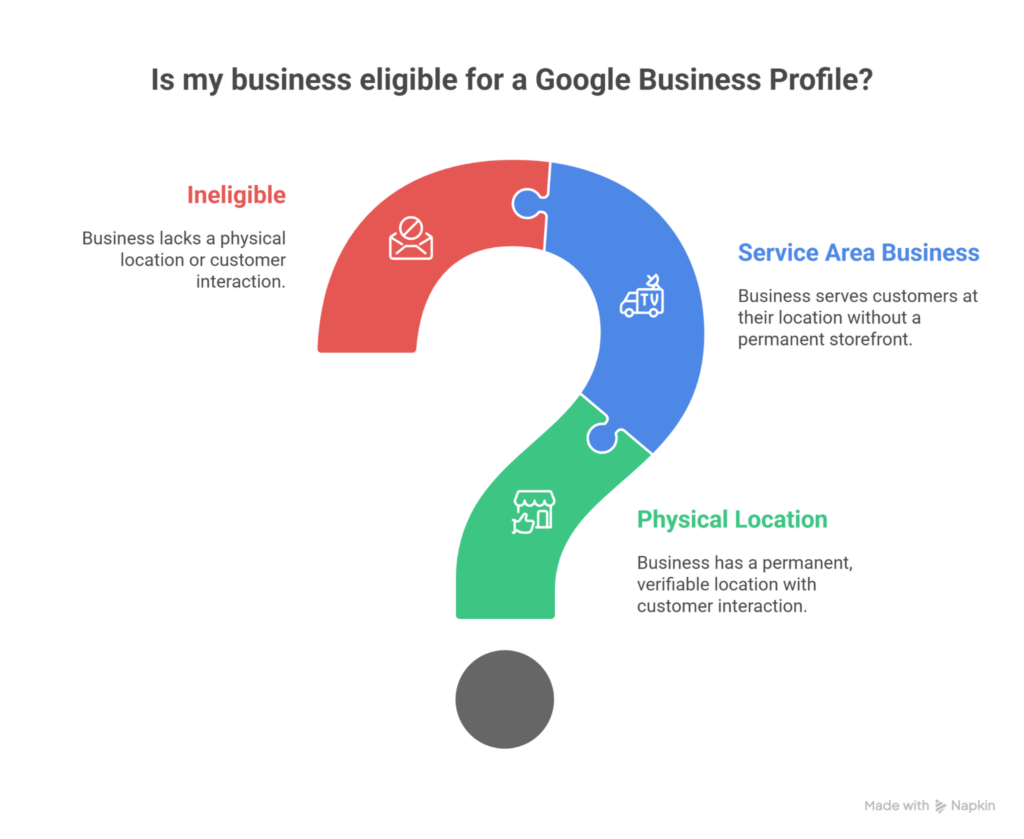
That’s it. The crucial distinction that determines eligibility for every special business type hinges entirely on the customer interaction point and the verifiability of the location as a permanent place of business.
- The Interaction Test: Is the customer interacting with the business’s staff or dedicated infrastructure (an ATM machine, a drop box) at a specific, permanent, and verifiable physical location for service or product delivery? If the answer is yes, then a physical location profile is possible.
- The Violation Test: Is the only interaction a delivery drop-off, an online chat, or a phone call? If so, forget displaying the address. A physical location profile is likely an immediate violation risk, pushing the business into the safer SAB category, or (equally important) the entirely ineligible category.
Synup Strategic Tip: For agencies managing hundreds of special locations, your first step in a compliance audit is to identify the point of transaction for 100% of your client base. If your “virtual kitchen” client only does delivery (point of transaction = customer’s home), they are an SAB, and the kitchen address should be hidden. If you find a visible physical address for a delivery-only model, you need to budget time and resources immediately; that listing is a compliance bomb waiting to detonate. Fix it before Google finds it.
**What Type of Businesses Are Eligible for Google Profiles?**
Quick answer: Only places that visitors or customers can enter or interact with in real life are allowed.
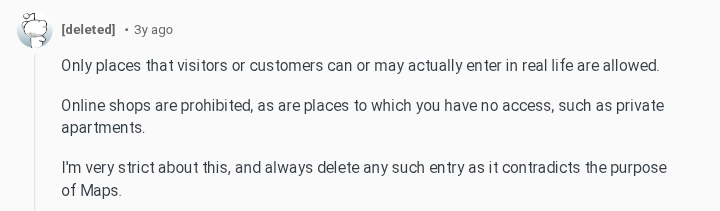
Source: Reddit
Most businesses that qualify for GBP fall into two standard categories:
**Standard Categories**
**1\. ****Storefront Businesses (Brick-and-Mortar)**
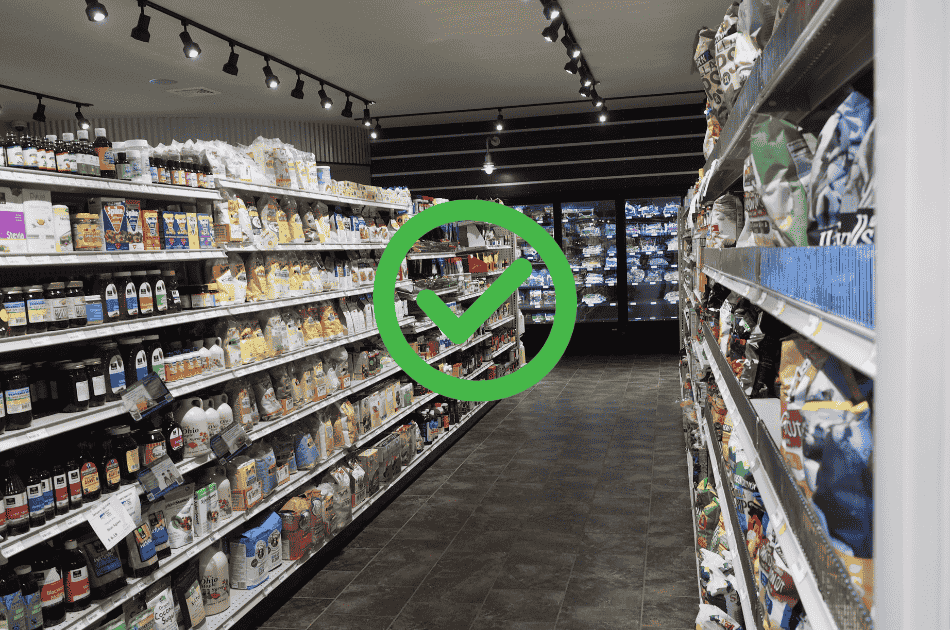
These are the classics. They must have permanent, customer-facing signage visible from the street and permanent staffing during stated operating hours. Another thing to remember is that the sign must be affixed, not a temporary banner.

Source: Google Business Profile/Whitco Roofing
If a client is a retail chain, you need photos showing the external sign and internal desk or shelf for verification.
Source: Synup
**2\. Service-Area Businesses (SABs)**
SABs are businesses that travel to the customers to execute their services.

Source: Google Business Profile / Service One Heating & Cooling
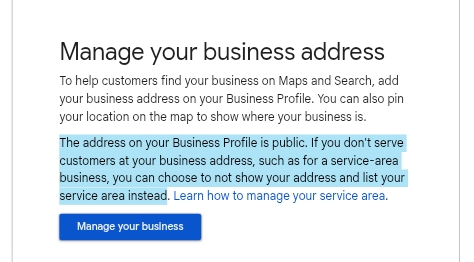
Google had a strict rule that mandated that SAB should NOT display its addresses. But that now looks like an optional rule that may not attract a penalty for noncompliance, according to Google’s own support documentation:
Source: Google
Take note of the word “can.”
However, the agency challenge here is defining and monitoring the service area (a 10-mile radius vs. 5 specific zip codes), as this definition affects who sees the profile, which ultimately impacts ranking.
**The Special Eligibility Exceptions (The Edge Cases)**
These are the ones you need to master to handle complex, multi-location clients and justify your high-tier pricing:
**Automated Services (ATMs, Kiosks, Drop Boxes)**
These are permitted because, even without staff, they serve as an authorized, fixed contact point for the customer to receive a product or service. This includes ATMs, video-rental kiosks (like Redbox), and express mail drop boxes (like FedEx or UPS drop points).
Let’s say your client manages a fleet of 50 Redbox-style kiosks in a major city. They can list each one. The crucial compliance check is that they must include a readily visible, verifiable customer support contact number, satisfying the “point of contact” rule. More on this below!
Specific Requirement: They must be fixed (not mobile) and represent an authorized, staffed business function (i.e., a bank service).
**Seasonal Businesses**
These are eligible only if they demonstrate year-round permanence of the business identity at that address. This means they must display permanent, fixed signage year-round to confirm the location’s eventual return. Think about a well-established Christmas tree farm where the land and infrastructure remain year-round, even though they only sell trees for a month.
Note for agencies: During the off-season for these types of businesses (e.g., July for that tree lot), mark these profiles as “Temporarily Closed,” not “Permanently Closed.” Hitting “Permanently Closed” signals to Google that the location should be deleted, leading to a loss of the profile’s age and ranking authority. This also requires a full, painful re-verification process next season. Use the “Temporarily Closed” status to preserve the profile’s hard-earned SEO authority.
**Are Kiosks and ATMs Eligible for Google Business Profiles?**
Yes, but the eligibility is highly constrained. They are allowed only as a functional, fixed, and supported point of contact for the parent business.
**Staffed Kiosks**
A staffed kiosk, like a credit card sign-up table or a small cellular provider booth inside a mall, is eligible if and only if it meets the departmental criteria (see final section) by having:
- Separate, permanent signage: A distinct, branded sign visible to the customer and often separate from the host business’s signage.
- Distinct identity & staffing: A clear service function and dedicated, identifiable staff who operate during defined hours.
**Unstaffed/Automated Kiosks (ATMs/Redbox)**
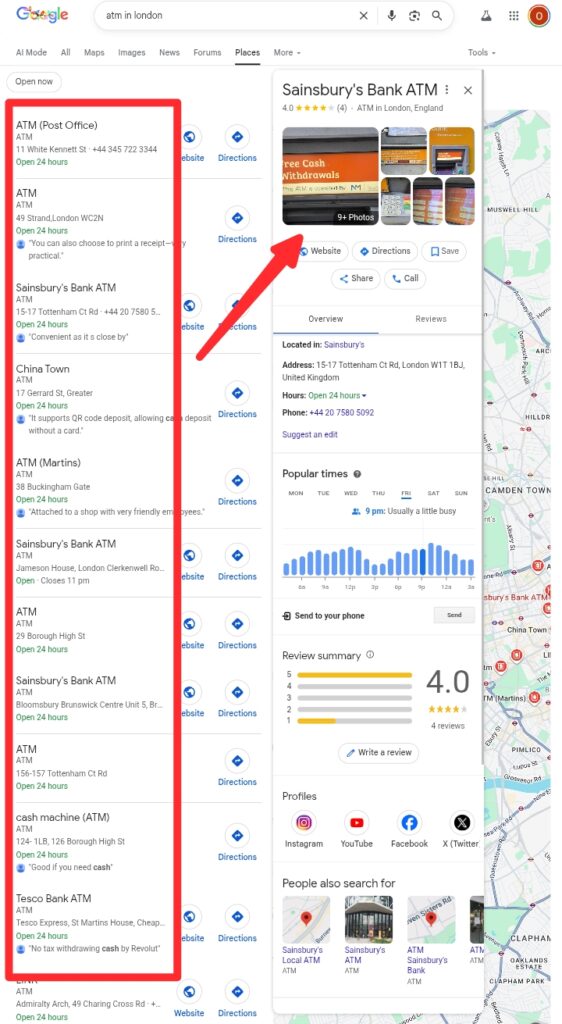
There are tons of ATM profiles on Google.
Source: Google
They are eligible, but compliance is about two things: fixity and support.
- Verifiable Fixity: The unit must be permanently affixed and clearly identifiable at a unique location (e.g., “ATM inside the 7-Eleven on Main Street”).
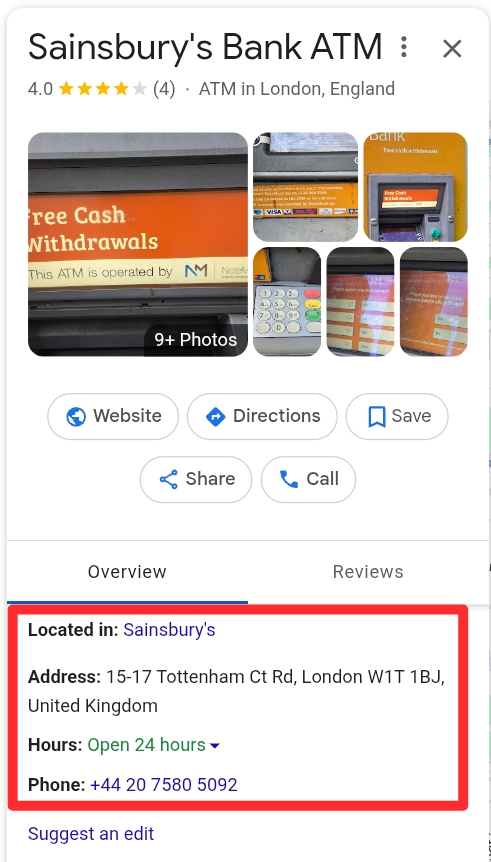
- Visible Support: The unit must clearly display a phone number for assistance on the physical machine itself.
Source: Google
This is Google’s mechanism for enforcing the customer support rule at the point of service, eliminating the need for an in-person staff member.
Tip: Ensure each profile accurately reflects the unique physical location (the ATM inside the lobby vs. the drive-thru ATM outside). Also, please ensure that it is not a duplicate listing of the nearby main branch.
**Are Cloud Kitchens & Virtual Food Businesses Eligible for GBP?**
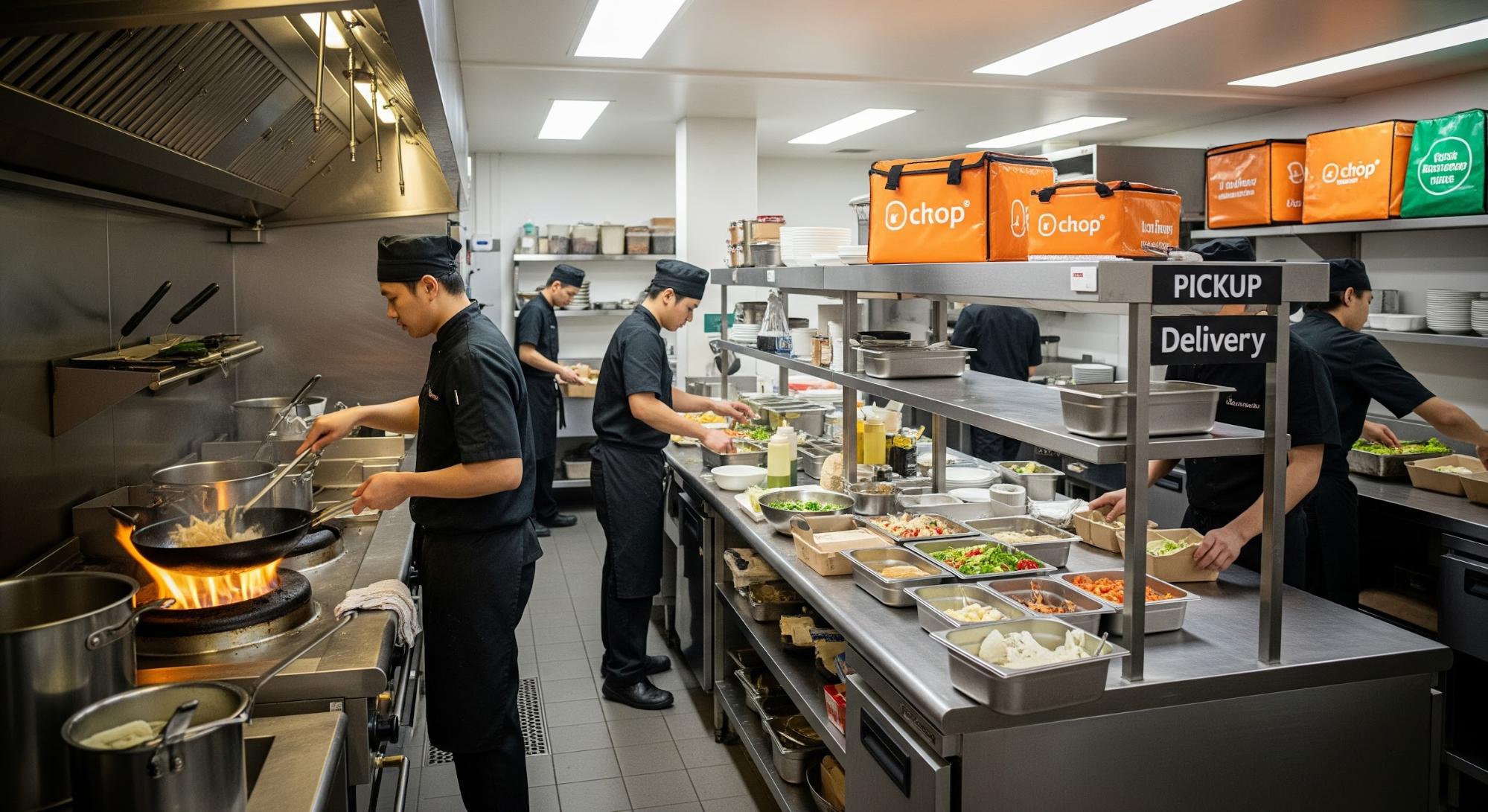
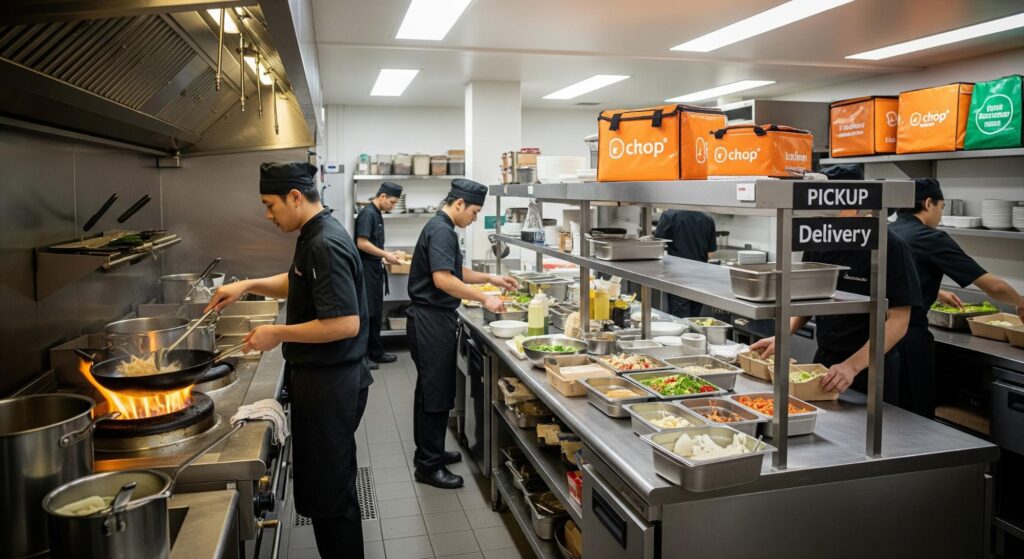
This is the big one. Cloud kitchens, also known as ghost kitchens or commissary kitchens, represent the most complex and risky area of GBP management for food and beverage agencies.
The problem is the sheer volume of spam: multiple distinct brands operating out of a single, shared kitchen address. That single address looks like a spam factory to Google’s algorithm. And Google is aggressively suppressing these locations.
A GBP for a cloud kitchen is possible, but your client must adhere to one of two distinct, documented setups for each brand:
**1. Delivery-Only Model**
If the brand only offers delivery and does not allow customers to walk up to the counter and order/pick up, it must be set up as an SAB.
- The rule: The physical kitchen address should be hidden on the profile. Only a defined service area (the delivery radius, e.g., “10-mile radius from Downtown”) should be displayed.
**2. Pickup-Option Model**
If the brand explicitly offers and facilitates in-person customer pickup, it can display the physical address. This is the hardest one to pass.
- The rule: Distinct identity: Each virtual brand must have a distinct identity that is verifiable at that single address. This includes:
- Separate signage: Permanent, separate, clearly visible signage for the specific brand at the kitchen facility, visible to customers/verifiers. A simple sticker on the door is not enough.
- Branded packaging: Distinct, unique, branded packaging that differentiates it from the 5-10 other brands operating from the same facility.
- Pickup point: A clear, dedicated, in-person pickup area (even if it’s just a counter with branding).
Agency Strategy: Verification is the biggest hurdle. Agencies must ensure the client provides verification video evidence demonstrating compliance for each virtual profile at that single address. Not just that, the video must show:
- A walk-up to the facility where the distinct sign for Brand ‘X’ is visible.
- The interior/pickup area showing Brand X’s counter/logo.
- The staff demonstrating Brand X’s distinct packaging.
**Are Home-Based Businesses Eligible for Google Business Profiles?**
Yes, if they meet the fundamental rule for SABs and follow the address concealment mandate.
The Rule: The business must travel to the customer for service delivery.
- Eligible examples: A mobile notary, an in-home dog groomer, an electrician who drives to houses. The core revenue transaction occurs at the client’s location.
- Ineligible Home-Based: A financial advisor who only conducts Zoom meetings, a web designer, or an online CPA. These are “online-only businesses” because there is no in-person, geographical transaction. The business does not travel to the customer, and the customer does not travel to the business. Besides that, you must strongly advise clients in these professions that a GBP listing is ineligible and direct them to focus on website SEO instead.
**What Type of Businesses Are Not Eligible for Google Profiles?**
The four biggest violations for a scaling agency are businesses that operate with virtual addresses (P.O. Boxes/mail drops), rental/transient properties, shared/uncontrolled locations, and pure online entities. Preventing a client from creating these profiles is a non-negotiable step for agency compliance. Here are the key ineligible types:
- Rental or for-sale properties: You cannot create a Google Business Profile for every available apartment unit in a complex. This includes vacant apartments, vacation homes, or model homes. This violation confuses the location of the service (the sales office) with the product (the property being sold).
You must list the point of service (the main leasing office or the sales center) as this is the location that is staffed, has permanent signage, and facilitates in-person contact.
- Ongoing service or class at a third-party location: If your client is a personal trainer who trains at various public parks, the trainer cannot create a profile for each park. Equally important, the business must own the location or have the authority to represent it. The profile must be tied to the business’s permanent control point (e.g., the trainer’s home/SAB or a studio they own), not a temporary venue.
- Brands, organizations, artists, and other online-only businesses: If there is no in-person contact point (a store, physical office for consultation, or an SAB trip), it fails the fundamental GBP test. A popular podcast, a musician, or a B2B SaaS company that only communicates via Slack/Zoom are ineligible.
- P.O. Boxes or Virtual Mailboxes (Executive Suites): An SAB must have a verifiable physical address for ownership and verification, even if that address is hidden from the public. A P.O. box is a mail drop, not a physical business location. Plus, listing these will trigger immediate “Not Eligible” or suspension status because they fail the “verifiability” test.
Every profile that violates Google’s rules is a potential liability, eating up hours in appeals and risking the whole client account. You cannot afford to waste your time on profiles guaranteed to result in a suspension.
Your immediate priority is to understand and identify local SEO alternatives for these types of clients or projects. They fail the fundamental eligibility test for GBP.
**Conclusion**
The world of local SEO is getting more complex. The cost of a mistake is higher than ever. Eligibility for a Google Business Profile ultimately hinges on two fundamental principles: verifiable permanence and legitimate in-person customer interaction. Non-traditional models for cloud kitchen brands or kiosk fleets are completely manageable, but they require a location-specific compliance strategy from your agency to avoid the nightmare of a mass suspension. Making compliance a core, automated part of your service delivery is the key to scaling efficiently.
Ready to remove the compliance headache from your agency’s client workflow? Book a demo with Synup to see how we manage these complex GBP eligibility profiles at scale.
**FAQs**
**1\.** **Who is eligible for a Google Business Profile?**
Businesses are eligible only if they meet the criteria for a physical, customer-facing location (staffed storefront, office, or dedicated interaction point) or if they are a Service Area Business (SAB) that travels to the customer. Online-only entities that operate remotely without any in-person service are explicitly not eligible and should be rejected or rerouted to other local SEO alternatives during client onboarding.
**2\. Are food trucks eligible for Google Business Profiles?**
Yes, but only if they operate in the same location consistently and for a specific, predictable period, demonstrating a permanent, reliable presence (e.g., “Every Tuesday from 11 am to 2 pm at the City Park”). Not just that, profiles should usually be tied to the home base, commissary kitchen, or a permanent stall address if they are highly transient. Profiles for a food truck that moves daily are ineligible.
**3\. Are virtual kitchens and virtual food businesses eligible for Google Business Profiles?**
Yes, delivery-only models are allowed, but only when they adhere to strict rules. Delivery-only models require an SAB setup. For pickup, they must prove a clear, distinct, branded pickup point and separate, permanent signage to display the address. Failing to meet the signage and distinct identity rules for a multi-brand location guarantees a suspension.